
MENU

THE WATER
COLLABORATIVE
SEEKING TO ENSURE A LIFETIME OF LIVING, THRIVING, & LOVING WATER FOR EVERY RESIDENT.
THE WATER
COLLABORATIVE
SEEKING TO ENSURE A LIFETIME OF LIVING, THRIVING, & LOVING WATER FOR EVERY RESIDENT.
THE WATER
COLLABORATIVE
SEEKING TO ENSURE A LIFETIME OF LIVING, THRIVING, & LOVING WATER FOR EVERY RESIDENT.

THE WATER
COLLABORATIVE
SEEKING TO ENSURE A LIFETIME OF LIVING, THRIVING, & LOVING WATER FOR EVERY RESIDENT.
THE WATER
COLLABORATIVE
SEEKING TO ENSURE A LIFETIME OF LIVING, THRIVING, & LOVING WATER FOR EVERY RESIDENT.
The Water Collaborative is a New Orleans based non profit actualizing water as a human right —tackling systemic injustices through policy, education, and equity.
The Water Collaborative is a New Orleans based non profit actualizing water as a human right —tackling systemic injustices through policy, education, and equity.
The Water Collaborative is a New Orleans based non profit actualizing water as a human right —tackling systemic injustices through policy, education, and equity.

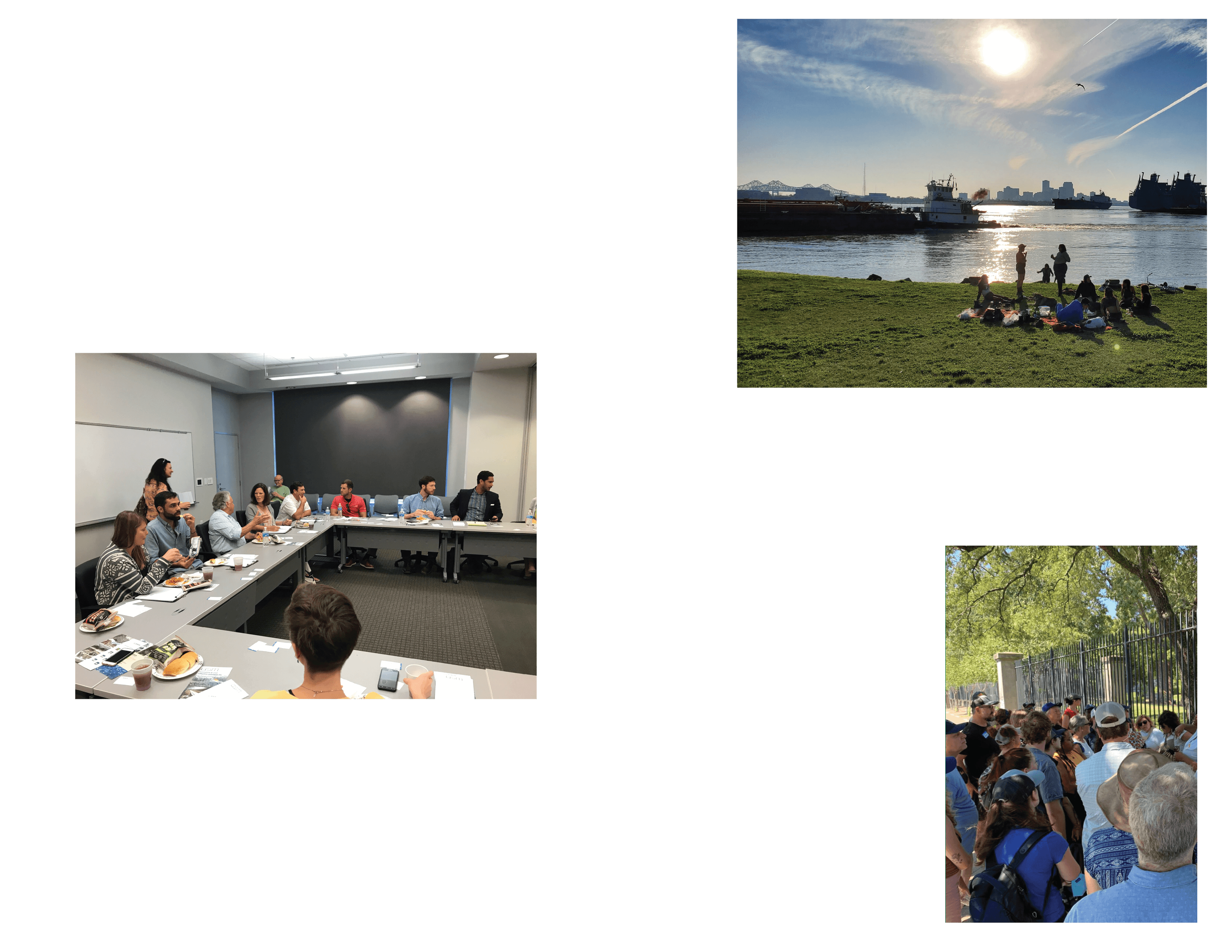

Advocating for:
Advocating for:
Advocating for:
Connect to Content
Add layers or components to infinitely loop on your page.
Water Quality
Water Accessibility
Water Affordability
Climate Adaptation
Climate Change Mitigation
Community Engagement
Water Quality
Water Accessibility
Water Affordability
Climate Adaptation
Climate Change Mitigation
Community Engagement
Water Quality
Water Accessibility
Water Affordability
Climate Adaptation
Climate Change Mitigation
Community Engagement
Water Quality
Water Accessibility
Water Affordability
Climate Adaptation
Climate Change Mitigation
Community Engagement
Water Quality
Water
Accessibility
Water
Affordability
Climate
Adaptation
Climate Change
MitigationCommunity
Engagement
Water Quality
Water
Accessibility
Water
Affordability
Climate
Adaptation
Climate Change
MitigationCommunity
Engagement
Water Quality
Water
Accessibility
Water
Affordability
Climate
Adaptation
Climate Change
MitigationCommunity
Engagement
Water Quality
Water
Accessibility
Water
Affordability
Climate
Adaptation
Climate Change
MitigationCommunity
Engagement

Brackish Artist Collective - Applications now open!
Applications are now open for the 2027 Cohort of the artist collective. Learn more about the program itself and more.
Apply Now

2026 Legislative Session Overview
Join The Water Collaborative of Greater New Orleans for a virtual discussion examining the most significant water, climate, energy, housing, and resilience legislation from the 2026 Louisiana Legislative Session.
Register Now
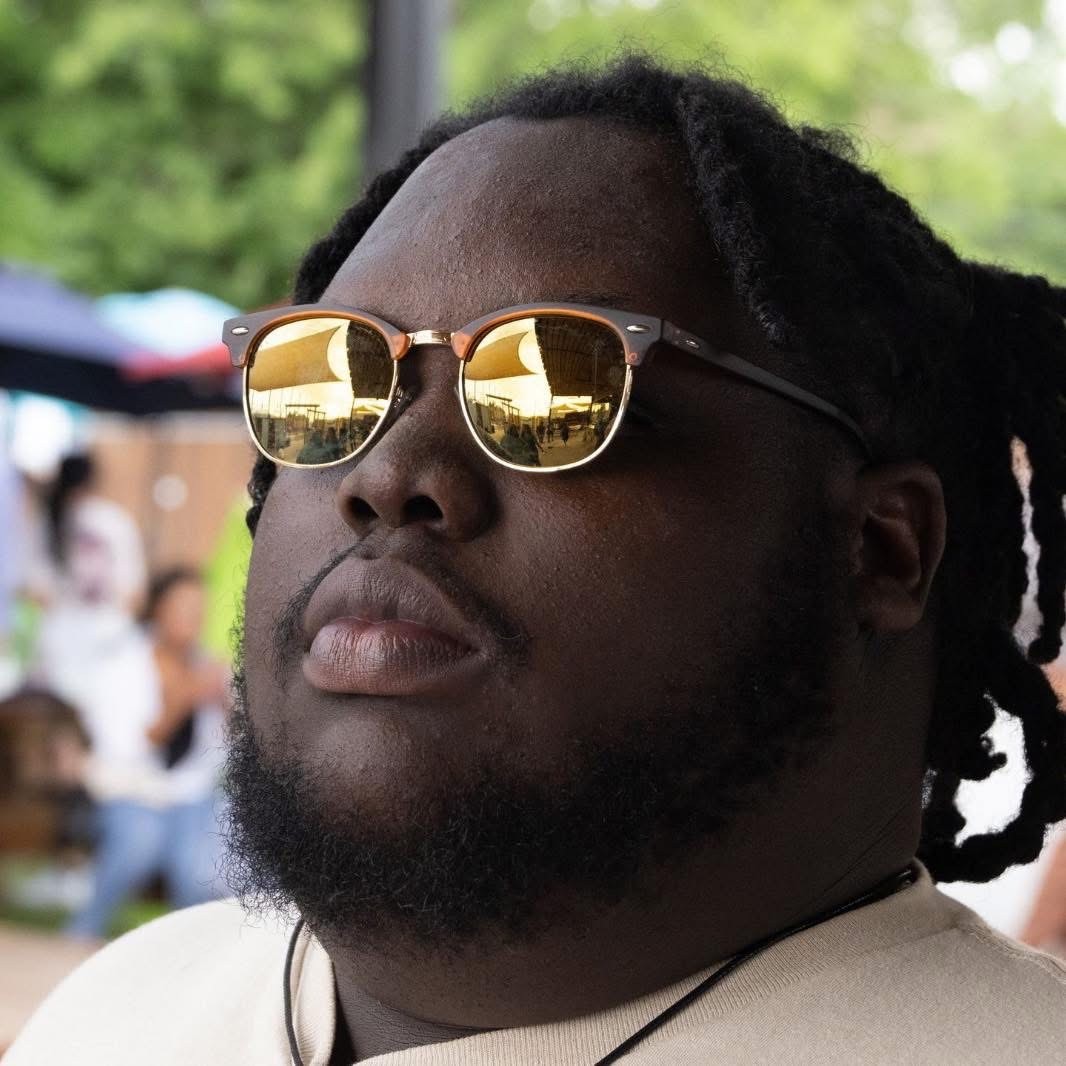
In Loving Memory of Keree Blanks
To our partners, funders, and community, It is with a profoundly heavy heart that I reach out to share devastating news. Our beloved colleague Keree' Blanks, who has been such an integral part of The Water Collaborative team, has passed away. Keree was our dedicated and beloved Engagement...
Read More
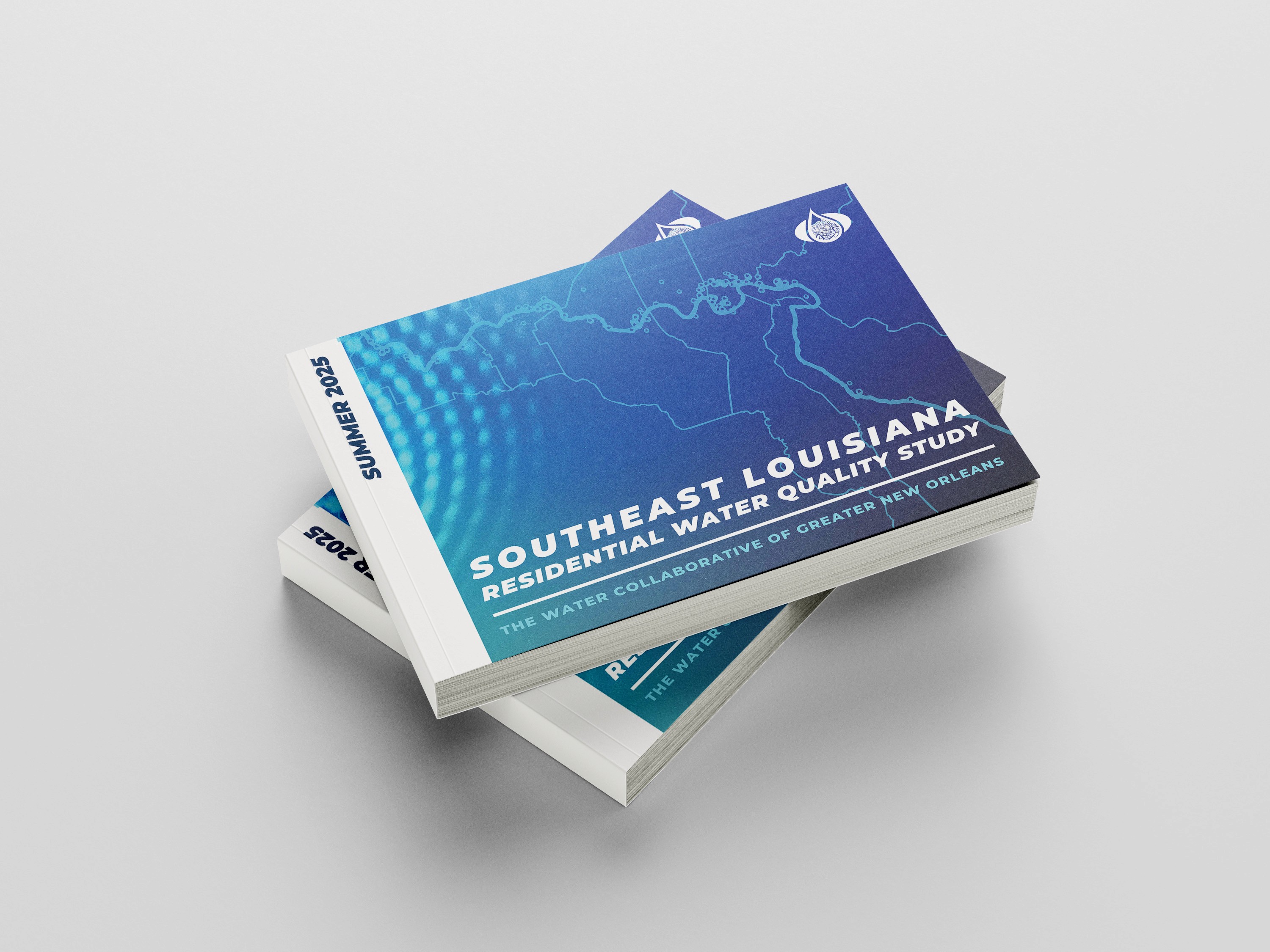
2025 Southeast Louisiana Residential Water Quality Testing Study
This report outlines results from tested tap water at 107 homes across seven parishes in Southeast Louisiana between October 2024 and March 2025
Read the full report
Brackish Artist Collective - Applications now open!
Applications are now open for the 2027 Cohort of the artist collective. Learn more about the program itself and more.
Apply Now
2026 Legislative Session Overview
Join The Water Collaborative of Greater New Orleans for a virtual discussion examining the most significant water, climate, energy, housing, and resilience legislation from the 2026 Louisiana Legislative Session.
Register Now
Brackish Artist Collective - Applications now open!
Applications are now open for the 2027 Cohort of the artist collective. Learn more about the program itself and more.
Apply Now
2026 Legislative Session Overview
Join The Water Collaborative of Greater New Orleans for a virtual discussion examining the most significant water, climate, energy, housing, and resilience legislation from the 2026 Louisiana Legislative Session.
Register Now
In Loving Memory of Keree Blanks
To our partners, funders, and community, It is with a profoundly heavy heart that I reach out to share devastating news. Our beloved colleague Keree' Blanks, who has been such an integral part of The Water Collaborative team, has passed away. Keree was our dedicated and beloved Engagement...
Read More
2025 Southeast Louisiana Residential Water Quality Testing Study
This report outlines results from tested tap water at 107 homes across seven parishes in Southeast Louisiana between October 2024 and March 2025
Read the full report
Updates
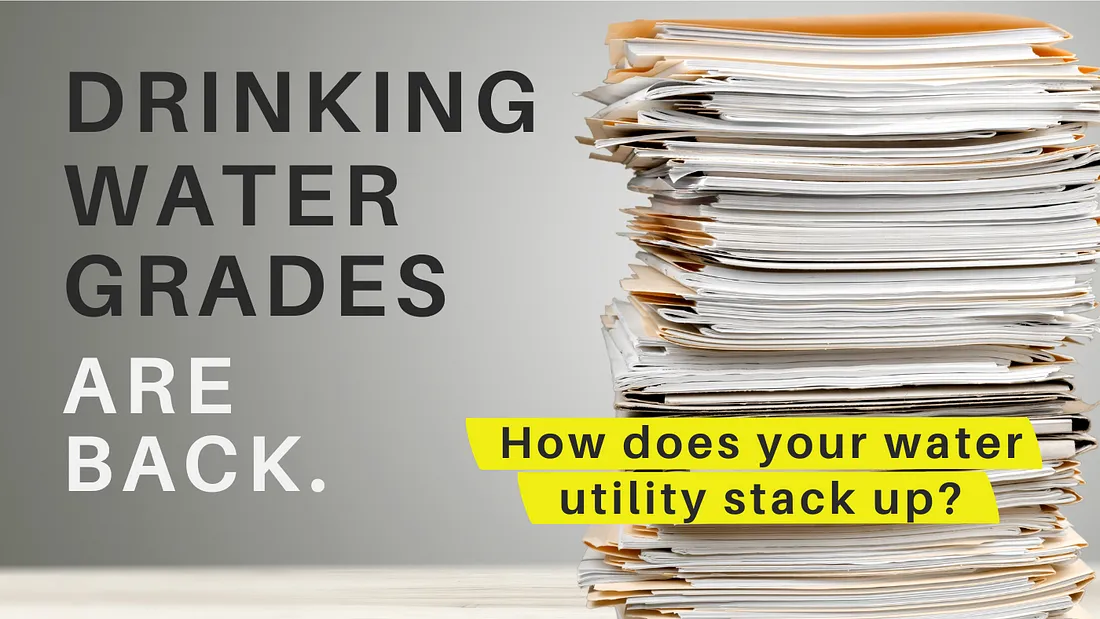
State of Water Quality: Analysis of Louisiana’s 2025 Drinking Water Grades
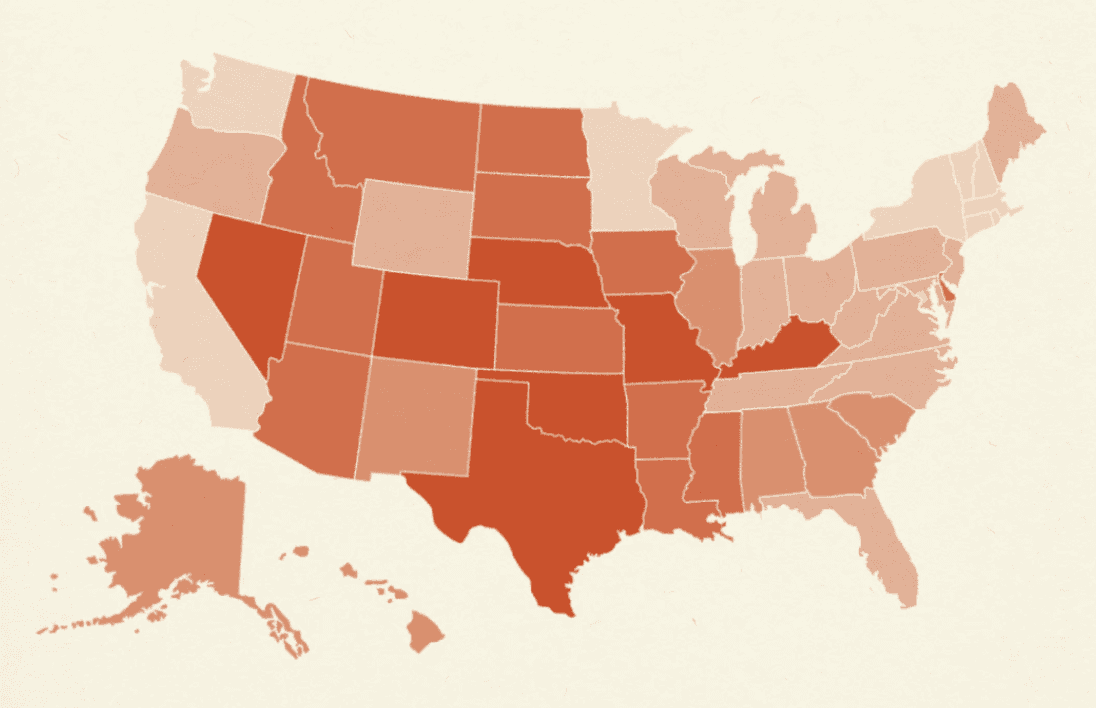
Redefining Waters of the United States: Why Louisiana Should Care

The Future of Water Discharge Permits: Impacts of San Francisco v. EPA
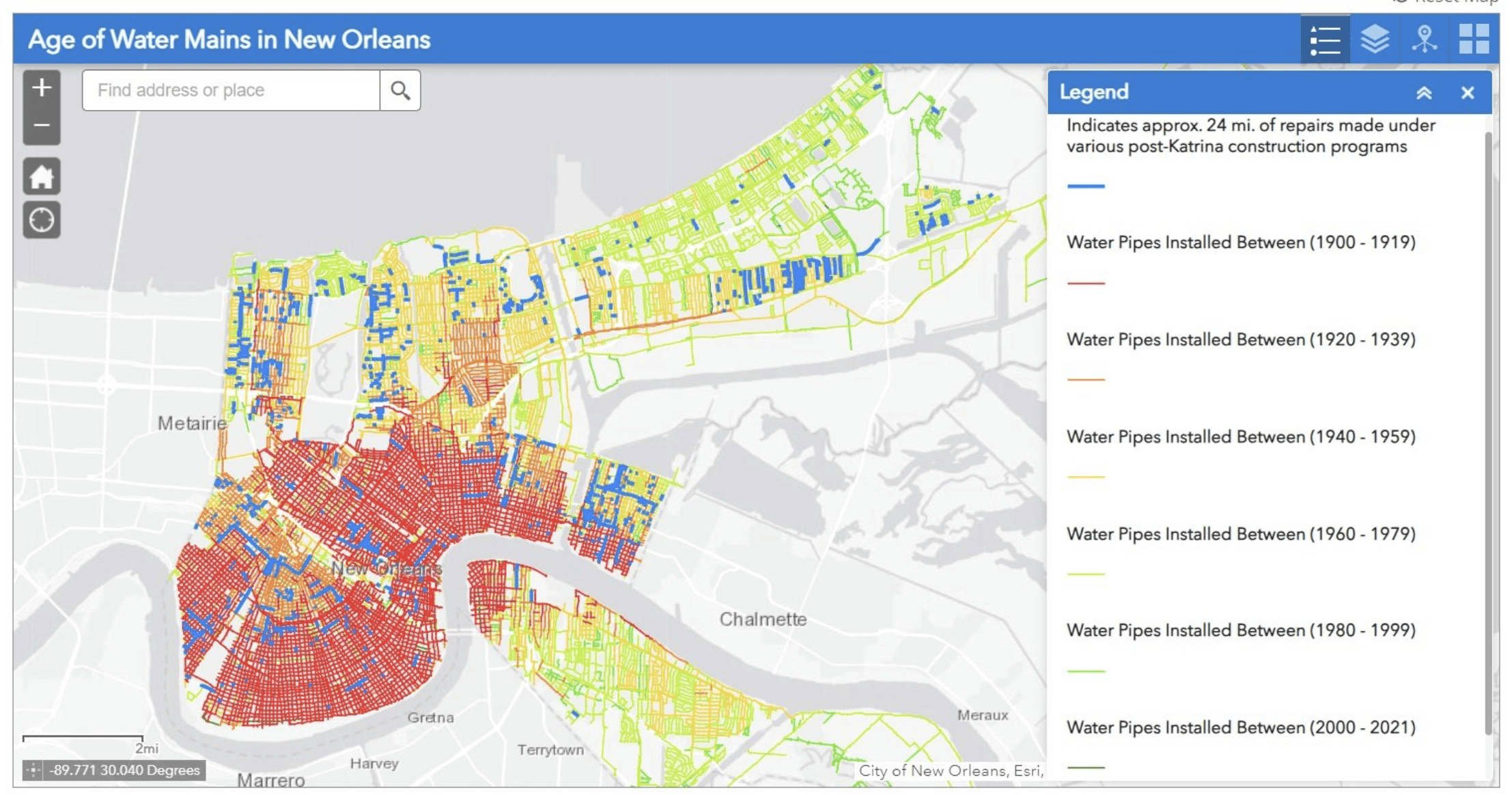
How Local Educational Outreach Affects Environmental Justice Efforts
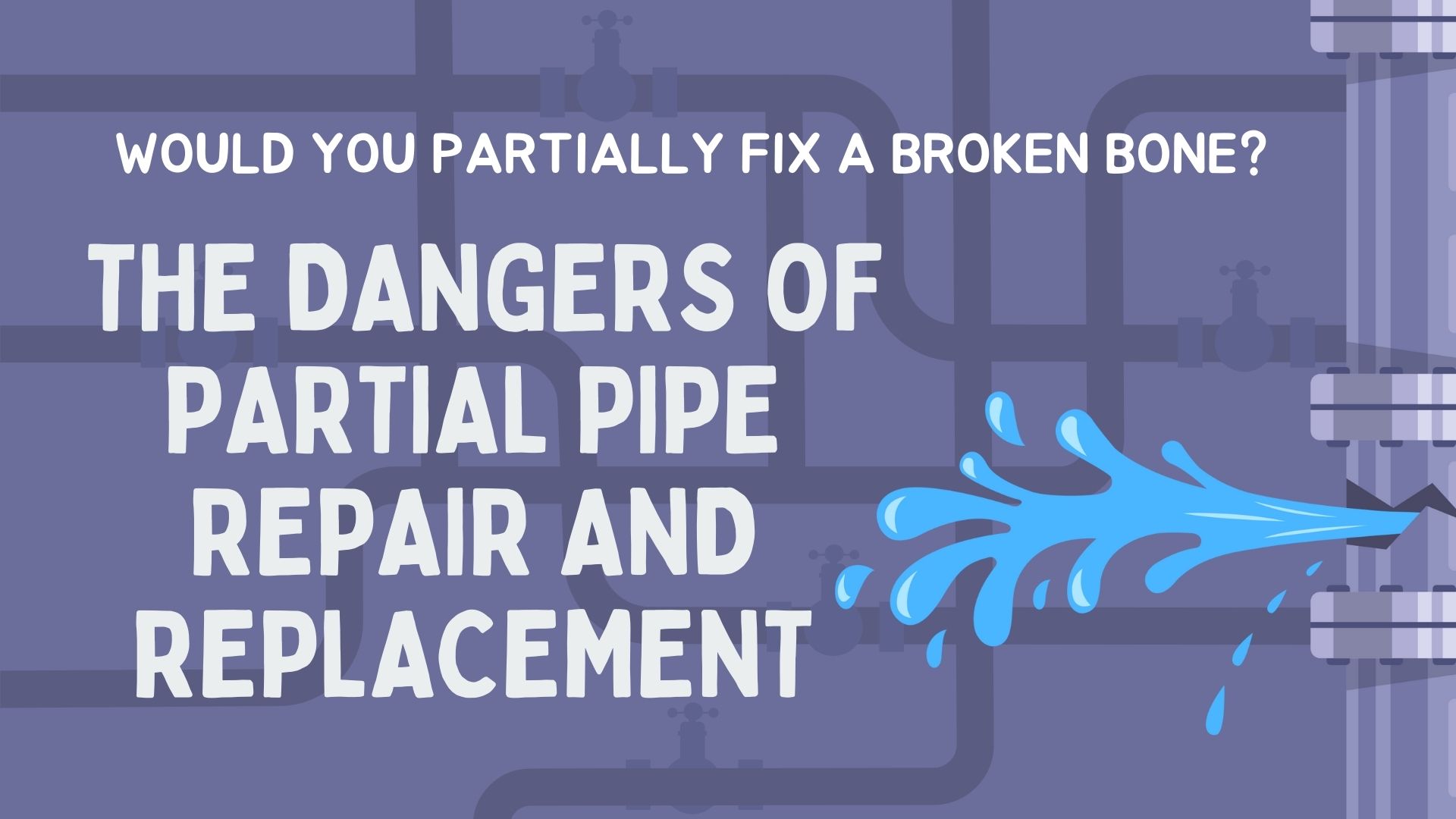
Would You Partially Fix a Broken Bone?: The Dangers of Partial Pipe Repair and Replacement
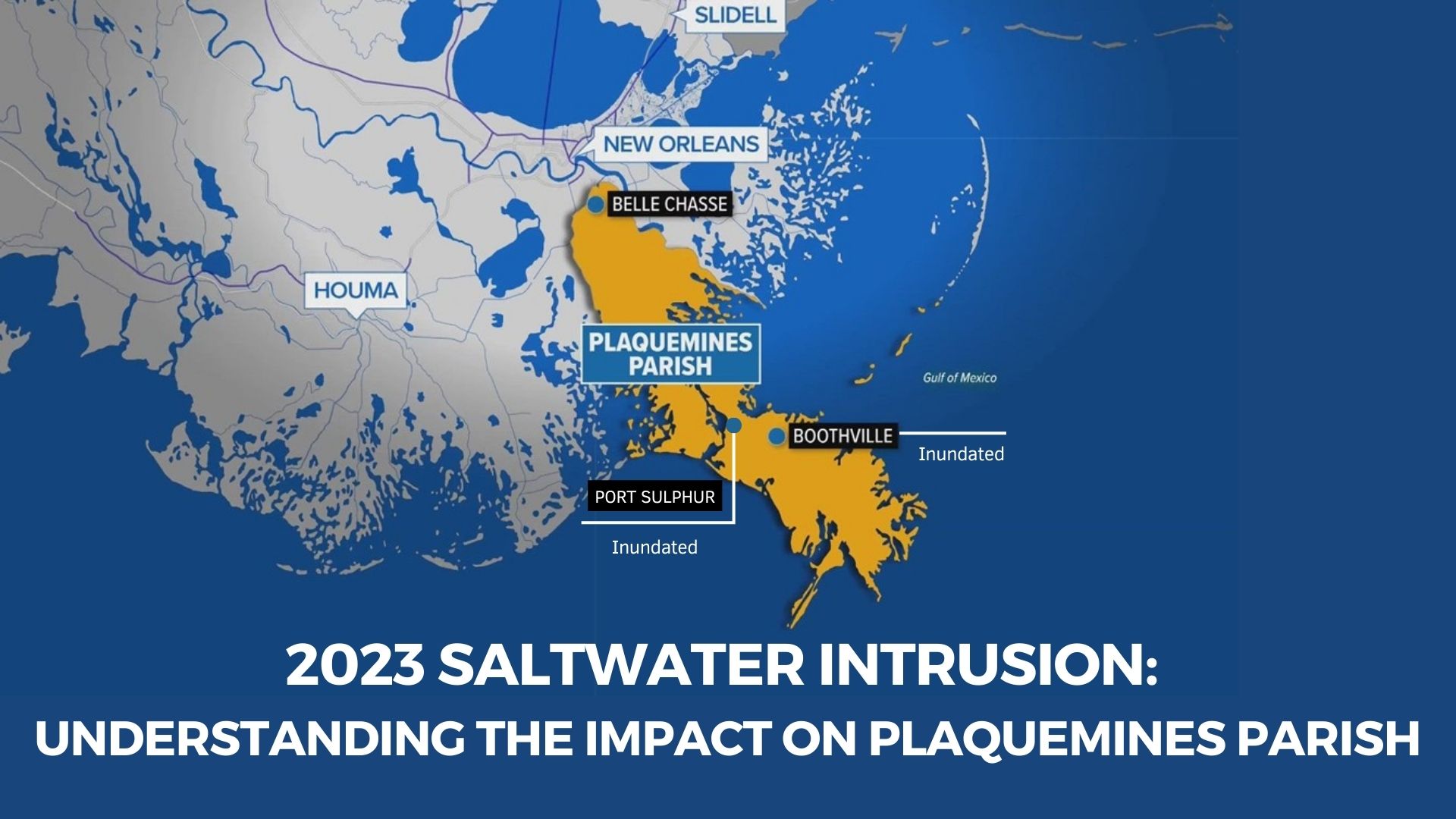
2023 Saltwater Intrusion: Understanding the impact on Plaquemines Parish
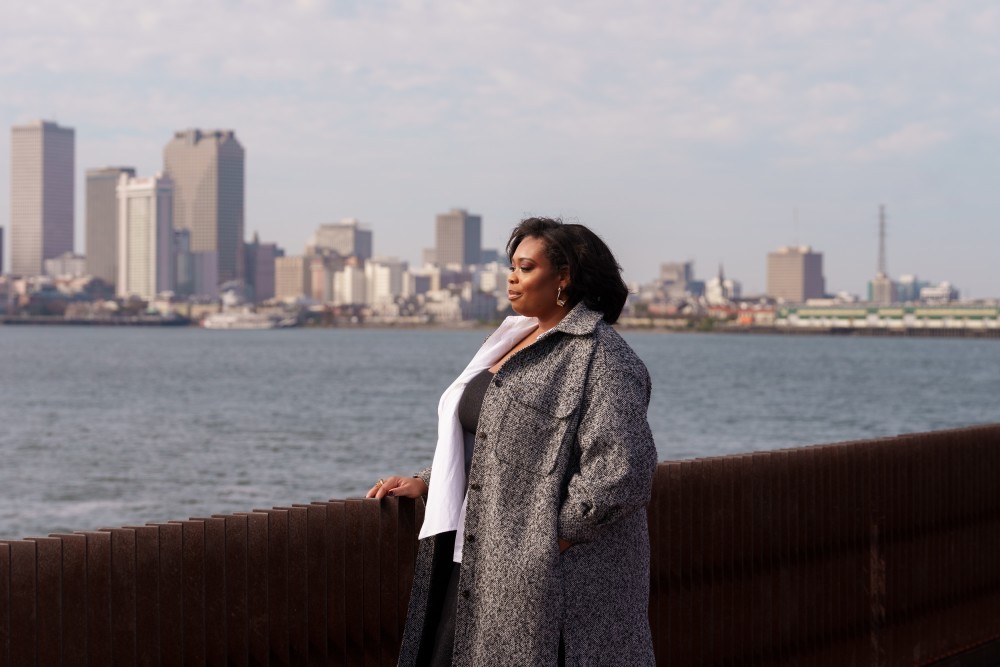
A letter from the
Executive Director
Since 2019, I’ve been building The Water Collaborative to be a trendsetter in the sector. Prioritizing innovation and agile planning, trauma-informed policy-making, Kingian Nonviolence Theory, and intersectional collaborative design are just a few core techniques we employ at all levels of the organization, both internally and externally.
To many of you, that just sounds like words - but through it all, it means we move with intention, and like water, we flow where the river takes us. Like any river, we move with nutrient-rich soil and sediment; wherever we flow, we build land and ecosystems. Above all, we build hope where there often seems to be none…
READ MORE
A letter from
the Executive Director
Since 2019, I’ve been building The Water Collaborative to be a trendsetter in the sector. Prioritizing innovation and agile planning, trauma-informed policy-making, Kingian Nonviolence Theory, and intersectional collaborative design are just a few core techniques we employ at all levels of the organization, both internally and externally.
To many of you, that just sounds like words - but through it all, it means we move with intention, and like water, we flow where the river takes us. Like any river, we move with nutrient-rich soil and sediment; wherever we flow, we build land and ecosystems. Above all, we build hope where there often seems to be none…
READ MORE
A letter from
the Executive Director
Since 2019, I’ve been building The Water Collaborative to be a trendsetter in the sector. Prioritizing innovation and agile planning, trauma-informed policy-making, Kingian Nonviolence Theory, and intersectional collaborative design are just a few core techniques we employ at all levels of the organization, both internally and externally.
To many of you, that just sounds like words - but through it all, it means we move with intention, and like water, we flow where the river takes us. Like any river, we move with nutrient-rich soil and sediment; wherever we flow, we build land and ecosystems. Above all, we build hope where there often seems to be none…
READ MORE
Get Involved —and see where the river takes you.
Get Involved —
and see where the river takes you.
GET INVOLVED
MENU

